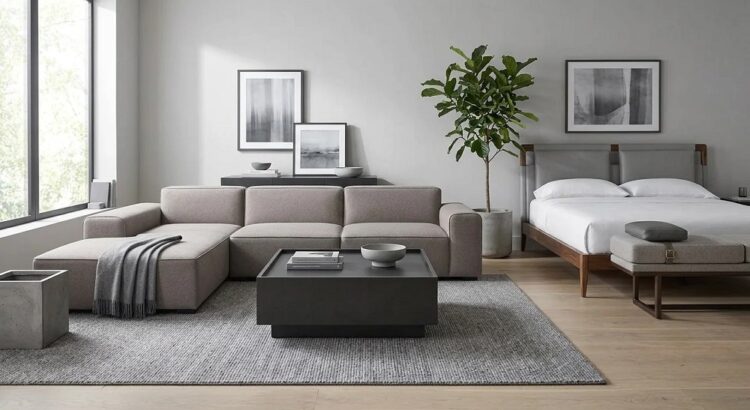
A family home is a high-traffic environment where furniture must endure constant, rigorous use. From children treating the sofa as a playground to pets tracking in dirt and the inevitable spills of daily meals, household items face structural challenges every single day. Purchasing cheap, poorly constructed furniture frequently leads to a frustrating cycle of premature wear, sagging cushions, and wobbly joints, resulting in expensive replacements within just a few years.
Investing in long-lasting furniture requires looking beyond surface-level aesthetics. It demands a thorough understanding of raw materials, manufacturing construction techniques, and performance engineering. By prioritizing durability, structural integrity, and stain-resistant finishes, you can select pieces that not only maintain their beauty but also provide a safe, stable environment for your family for decades to come.
Deciphering Sofa and Seating Construction
The living room sofa is the undisputed anchor of a family home. It is where the family gathers for movie nights, relaxation, and conversation. Because it bears the brunt of daily physical impact, its interior construction is far more critical than its exterior styling.
Frame Materials and Joinery
The longevity of any upholstered piece begins with its skeleton. Cheap furniture relies on particleboard, engineered medium-density fiberboard, or softwoods like pine, which warp and crack under stress. For a frame that will last a lifetime, choose kiln-dried hardwood such as oak, maple, walnut, or ash. The kiln-drying process removes moisture from the wood, preventing it from twisting, shrinking, or splitting over time.
Equally important is how the pieces of the frame are held together. Avoid frames held together solely by staples, glue, or nails. Instead, look for traditional joinery methods, such as:
-
Double-doweled joints where wooden pegs lock the pieces together.
-
Mortise and tenon joints where one piece fits tightly into a carved recess of another.
-
Corner blocks secured with heavy-duty screws to reinforce the corners where the greatest stress occurs.
Support Systems and Cushion Dynamics
Beneath the fabric lies the suspension system. The industry gold standard for durability is eight-way hand-tied springs. This technique involves connecting heavy-gauge steel coil springs to each other and to the frame using high-strength twine tied in eight different directions. This configuration distributes weight evenly across the entire seating surface, ensuring the seat will never sag. Alternatively, high-quality sinuous spring systems, which feature zigzagging steel wires spaced closely together, offer strong durability if constructed with heavy-gauge metal.
For the cushions themselves, look for high-density polyurethane foam wrapped in a soft layer of down or synthetic polyester fiber. Low-density foam breaks down rapidly under consistent weight, resulting in flat, uncomfortable seats. A minimum density rating of 1.8 to 2.5 pounds per cubic foot is recommended for family environments to maintain resiliency.
Selecting High-Performance Upholstery Fabrics
Spills, muddy paws, and marker stains are inevitable in a bustling family household. The fabric you select will determine whether an accidental spill becomes a permanent eyesore or a minor, easily cleaned inconvenience.
Synthetic Performance Fabrics
Modern textile technology has yielded a category of textiles known as performance fabrics. Brands utilizing solution-dyed acrylics, polypropylene, or treated polyesters are engineered specifically for high-stress environments. In solution-dyed fabrics, the pigment is introduced during the liquid state of the fiber creation, meaning the color goes all the way through the yarn rather than just sitting on the surface. These fabrics are inherently liquid-resistant, stain-resistant, and can be cleaned with mild soap or even diluted bleach solutions without losing their color or integrity.
Tight-Weave Natural Fibers and Top-Grain Leather
If you prefer natural materials, the weave density is the most crucial factor. A loose weave, like a linen or chenille blend, will easily snag on pet claws and children’s toys, unraveling the structure of the fabric. Instead, opt for a dense, tightly woven cotton duck, canvas, or heavy denim.
Top-grain leather is another exceptional choice for family homes. While it requires a higher initial investment, leather ages beautifully, developing a rich patina over time. It is highly resilient against tearing, does not trap pet hair or allergens, and can be quickly wiped clean with a damp cloth after a liquid spill. Avoid bonded leather, which consists of scraps of leather glued together with polyurethane; it peels and cracks within a few years of moderate use.
Durable Materials for Hardwood and Dining Furniture
Dining tables, coffee tables, and storage casegoods must withstand heavy impacts, hot dishes, and sharp objects. Selecting the right hard surfaces ensures these items remain free of deep gashes and unsightly water rings.
Solid Wood versus Veneers
Solid wood furniture is the pinnacle of longevity. Because the piece is made from solid planks of timber, it can be sanded down, repaired, and refinished multiple times throughout its lifespan. Hardwoods like white oak, walnut, and cherry are naturally dense and highly resistant to scratching.
High-quality wood veneers, where a thin layer of genuine hardwood is bonded to a core of stable plywood, also offer excellent longevity and are less prone to expanding and contracting with changes in household humidity. However, ensure the veneer layer is thick and avoid paper-thin veneers glued over cheap particleboard, as the edges will eventually chip and peel, exposing the ugly composite material underneath.
Performance Table Surfaces
For dining rooms and coffee tables that double as homework stations or crafting zones, alternative surfaces offer unbeatable durability.
-
Quartz and Engineered Stone: These tabletops are virtually non-porous, making them entirely scratch-resistant and impervious to staining from spilled juices, wine, or acrylic paint.
-
High-Pressure Laminate: Modern high-end laminates replicate the look of natural wood grain or stone while offering a hard shell that resists heat, impacts, and moisture damage.
Evaluating Practicality and Timeless Design
Long-lasting furniture must be capable of adapting to the changing needs of a growing family. A piece that is only useful when a child is a toddler will quickly become obsolete as they enter their teenage years.
Multifunctional and Modular Designs
Choose furniture that can morph to fit new spatial layouts. A modular sectional sofa allows you to rearrange the seating components when moving to a new house or when your teens need more personal space during gatherings. Similarly, an extendable dining table with self-storing leaves can contract for daily family meals and expand effortlessly when hosting extended family holiday celebrations.
Timeless Aesthetics over Trendy Fads
To ensure your furniture lasts for decades, avoid hyper-specific interior design trends that will look dated within five years. Select foundational pieces with clean, classic lines, neutral color tones, and minimalist ornamentation. You can easily update the look of the room over time by changing low-cost accessories like throw pillows, wall art, and lighting fixtures, while the high-quality, long-lasting furniture remains the steadfast foundation of your home.
Frequently Asked Questions
How can I identify high-quality drawer construction when shopping for dressers and chests?
Look inside the drawer and examine the corners where the front panel meets the side panel. High-quality casegoods feature dovetailed joints, which look like interlocking wooden teeth. This joinery prevents the drawer front from pulling off after years of aggressive tugging. Additionally, pull the drawer out fully to ensure it runs on heavy-duty, under-mounted steel glides rather than resting on a cheap plastic track centered under the drawer box.
Is microfiber a good fabric choice for homes with shedding pets?
Yes, microfiber is highly recommended for pet owners. Because microfiber is made from ultra-fine synthetic fibers woven incredibly close together, it creates a flat surface without loops. This tight structure makes it virtually impossible for pet claws to catch and snag. Furthermore, pet hair struggles to embed itself into the weave, allowing you to easily remove accumulation with a simple vacuum brush attachment or a rubber squeegee.
How do I protect a solid wood dining table from daily homework and craft damage?
To preserve the wood finish without hiding its natural beauty with a permanent tablecloth, apply a high-quality polyurethane topcoat, which creates a clear protective shield against moisture and light scratches. For daily protection during high-risk activities like homework or coloring, utilize large silicone desk mats or heavy felt placemats. These provide a cushioned barrier that absorbs pen pressure and accidental marker slips.
What should I look for in outdoor furniture to ensure it lasts as long as my indoor pieces?
Outdoor family furniture must fight weather elements alongside daily physical wear. Choose frames made from thick, powder-coated aluminum, which is entirely rust-proof and lightweight, or sustainably sourced plantation teak, which contains natural oils that repel rot, water, and insects. For the cushions, ensure they are wrapped in specialized outdoor open-cell foam that drains water instantly, covered in specialized solution-dyed outdoor fabrics.
Are distressed or rustic furniture styles better for concealing family wear and tear?
Yes, furniture that features a slightly distressed, wire-brushed, or rustic finish is incredibly forgiving in a family home. When a piece of furniture already contains natural wood knots, varied grain patterns, and intentional texturing, a minor accidental scratch or small dent caused by a dropped toy will blend seamlessly into the existing design, looking like part of the character of the piece rather than structural damage.
How often should I rotate or flip my sofa cushions to prolong their lifespan?
To ensure even wear and prevent specific seats from sagging prematurely, rotate and flip all loose seat and back cushions every two to three weeks. In family homes, individuals tend to sit in the exact same spot every day, such as the corner seat of a sectional. Regularly moving the cushions redistributes the mechanical compression across the foam cores, giving the cells time to recover their shape and significantly extending the comfort life of the sofa.