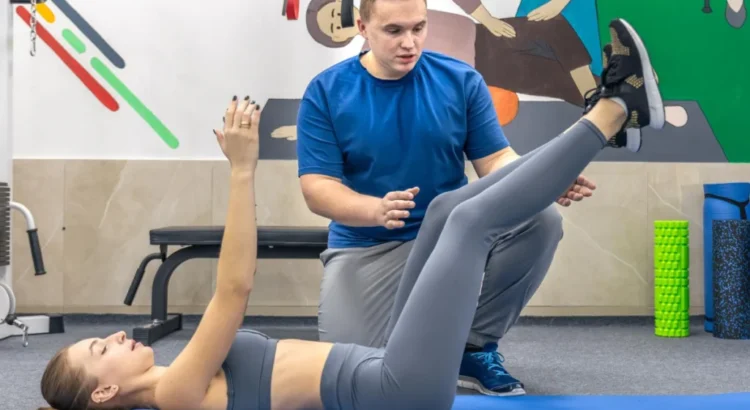
An old injury can change the way a person feels about exercise. Even after the pain has reduced, the memory of the injury may remain. A person may avoid certain movements, hesitate with weights, or worry that one wrong step will bring the problem back. That fear is understandable, but it can also stop people from rebuilding strength.
For someone returning to exercise, personal training singapore can provide a more guided path when old injuries affect confidence. The goal is not to ignore pain or push through warning signs. The goal is to train intelligently, respect the body’s limits, and rebuild trust through safe, progressive movement. When needed, medical clearance from a doctor or physiotherapist should come first.
Why Old Injuries Affect More Than the Injured Area
An injury rarely affects only one body part. A knee injury may change how someone walks, squats, or climbs stairs. A shoulder injury may affect upper-body training, posture, and confidence with pressing movements. A lower-back issue may make someone cautious with lifting, bending, or even simple gym exercises.
Over time, the body may develop compensation patterns. This means other muscles work harder to protect or avoid the injured area. These compensations can become habits.
Training after an old injury should look at the whole body, not just the original problem.
Fear Can Become a Bigger Barrier Than Weakness
After an injury, people often lose confidence. They may worry about pain returning. They may avoid exercises that remind them of the injury. They may choose only very safe movements, even when the body is ready for more.
This fear is not weakness. It is the brain trying to protect the body. But if fear controls every workout, progress can become very slow.
A structured training plan can help rebuild confidence gradually. Each successful session teaches the body and mind that movement can be safe again.
Start With Assessment, Not Assumption
Training around an old injury should not begin with random exercises. It should begin with understanding. What happened? Which movements still feel uncomfortable? What has the person avoided? What activities are important to their lifestyle?
A coach may look at:
- Range of motion
- Balance
- Strength differences
- Movement control
- Posture
- Exercise history
- Current pain triggers
- Confidence level
- Recovery habits
This information helps create a safer plan.
Pain Signals Should Be Respected
There is a difference between effort and pain. Muscles may feel challenged during training, but sharp, unusual, or worsening pain should not be ignored. People recovering from injury need to learn how to interpret signals.
A simple rule is that training should not create pain that worsens during the session or lingers badly afterward. If an exercise repeatedly causes discomfort, it may need to be modified or replaced.
Good training is not about forcing the body into movements it is not ready for. It is about finding the right version of the movement.
Modification Keeps Training Moving
One of the best things about a gym environment is the ability to modify. If a movement is not suitable, there is often another option.
For example:
- A barbell squat may become a goblet squat.
- A deep lunge may become a step-up.
- A pushup may become an incline pushup.
- A heavy deadlift may become a hip hinge drill.
- Running may become cycling.
- Overhead pressing may become landmine or machine pressing.
Modification is not failure. It is smart training.
Rebuilding Strength Requires Patience
Old injuries often create strength gaps. One side may be weaker. One joint may feel less stable. One movement pattern may feel awkward. These gaps do not close overnight.
Progress should be gradual. A person may need to begin with lighter resistance, slower tempo, and better control before increasing intensity.
This patient approach can feel slow, but it is often what allows long-term progress.
Stability Comes Before Heavy Load
People often want to return to their old strength numbers quickly. But after an injury, stability and control should come first. A joint that feels unstable under load may need better supporting strength before heavier training.
Stability training may include:
- Single-leg exercises
- Controlled balance work
- Core training
- Tempo-based movements
- Cable exercises
- Machine-based strength work
- Glute and hip strengthening
- Shoulder blade control drills
These exercises may not look dramatic, but they build the base for safer strength.
Old Injuries Need Better Warmups
A warmup becomes more important when someone has a history of injury. It prepares the joints, muscles, and nervous system for training. A rushed warmup can make the body feel stiff and unready.
A useful warmup may include:
- Light cardio
- Mobility drills
- Activation exercises
- Practice sets
- Gradual loading
- Breathing control
The warmup should connect directly to the workout. If the session includes lower-body strength, the warmup should prepare hips, knees, ankles, and core.
The Role of Strength Training in Injury Confidence
Some people avoid strength training after injury because they think it is risky. In reality, appropriate strength training can help rebuild confidence. Stronger muscles can support joints and improve control.
The key word is appropriate. Exercises should match the person’s current ability, not their past ego.
A well-planned strength routine can help people feel capable again. That confidence often carries into daily life.
Cardio Can Be Adjusted Too
Old injuries may affect cardio choices. Someone with knee discomfort may not enjoy running. Someone with lower-back sensitivity may need careful rowing technique. Someone with ankle history may prefer cycling or elliptical training.
Low-impact cardio options can help maintain fitness while reducing stress on sensitive areas.
Useful options may include:
- Stationary cycling
- Incline walking
- Elliptical training
- Swimming if available
- Controlled rowing
- Low-impact classes
Cardio should support recovery and fitness, not aggravate old issues.
Communication Is Essential
A person training around old injuries should communicate clearly with their coach. If something feels wrong, they should say so. If a movement creates fear, that also matters. Silence can lead to poor decisions.
Good coaching involves feedback from both sides. The coach observes movement, and the member reports how the body feels.
This communication makes the plan more accurate.
Avoiding the Comparison Trap
People often compare their current ability to what they could do before the injury. That can be discouraging. But the goal is not to return instantly to the old version. The goal is to build a stronger current version.
Progress may look like:
- Moving without fear
- Completing pain-free workouts
- Restoring range of motion
- Improving balance
- Building strength gradually
- Returning to favorite activities
- Feeling confident in the gym again
These wins matter.
Training Environment Makes a Difference
A supportive environment can make injury-aware training easier. Access to machines, cables, lighter weights, cardio options, and guided coaching gives people more ways to train safely.
A crowded or intimidating environment may increase anxiety. A structured, clean, and professional gym can help people focus on the plan.
Building Long-Term Confidence
Training around old injuries is not about being fragile. It is about being smart. The body can often become stronger and more capable with the right approach, but the process should be careful and progressive.
For people seeking guided support, True Fitness Singapore may be relevant when looking for a fitness environment where training can be adapted around goals, comfort, and long-term confidence.
FAQ
Should someone exercise with an old injury?
It depends on the injury and current symptoms. If there is ongoing pain or medical concern, professional medical advice should come first. Many old injuries can be trained around with proper guidance.
Is pain during exercise normal after injury?
Mild effort is normal, but sharp, worsening, or lingering pain should not be ignored. Exercises may need to be modified.
Can strength training help after an old injury?
Appropriate strength training may help rebuild support, control, and confidence. The program should progress gradually.
What is the biggest mistake after an old injury?
Trying to return too quickly to old training levels is a common mistake. Progress should be based on current ability, not past performance.