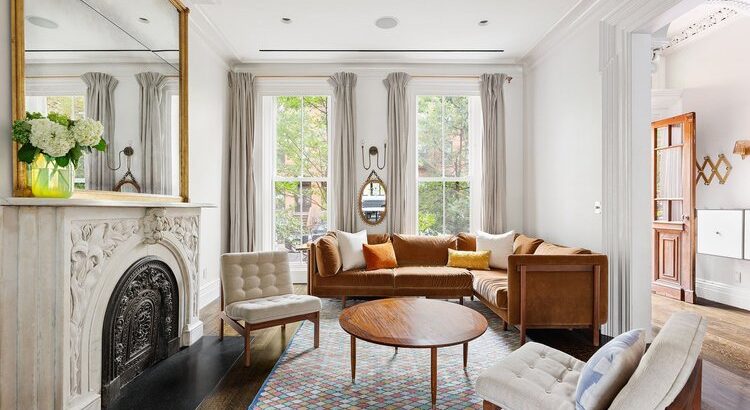
Interior design is often seen as an art form, a delicate balance of aesthetic appeal and functional utility. It’s an immersive process that goes beyond simply filling a space with furniture and décor; it’s about crafting an environment that speaks to the personality, tastes, and needs of the people who inhabit it. In its most refined form, interior design has the power to influence mood, enhance productivity, and create a sense of belonging within a space. Whether in a residential home, a corporate office, or a public space, the design choices made have profound impacts on the way we experience the world around us.
The Foundation of Interior Design: Function Meets Form
At the core of any successful interior design is the seamless blending of function and form. While beauty is undeniably important, practicality should never be overlooked. The role of an interior designer is to understand how a space will be used and then find ways to ensure that it meets those needs while also creating an aesthetically pleasing environment.
Consider a living room: while it may be the focal point of family gatherings, it also needs to accommodate comfort and function. This means balancing the style of furniture with its usability—selecting the right sofa that complements the overall theme but also offers comfort for long hours of lounging. Practical considerations, such as storage, lighting, and flow of movement, all factor into the design decisions.
In the commercial sector, the balance between form and function becomes even more critical. A well-designed office space, for example, not only reflects the company’s brand identity but also promotes a productive, positive work environment. An open-plan office might foster collaboration, while private pods offer spaces for concentration. The integration of ergonomic furniture, smart technology, and even biophilic design principles (which incorporate elements of nature into the workspace) can enhance both comfort and productivity.
Color and Lighting: Tools of Emotion
Perhaps one of the most powerful tools in the interior designer’s toolkit is color. Color has the unique ability to evoke emotions and influence behavior. It’s no surprise, then, that choosing the right color scheme is one of the first decisions made when designing a space.
Different colors elicit different responses from those who experience them. For example, warm tones like red, orange, and yellow can create an energetic, vibrant atmosphere, making them ideal choices for spaces where activity and conversation are frequent, such as kitchens or dining rooms. On the other hand, cool colors like blue, green, and gray evoke calmness and tranquility, making them perfect for bedrooms or relaxation areas. Neutral colors, such as beige, white, or gray, provide a versatile backdrop that can either enhance more vibrant hues or stand alone in creating a serene, minimalist environment.
Lighting plays an equally crucial role in shaping the atmosphere of a room. Lighting is not just about visibility but also about setting the mood. Natural light, when maximized, can bring warmth and energy to a space, making it feel open and inviting. In contrast, artificial lighting can be used to create specific effects—accent lighting can highlight a piece of art, while overhead lighting can illuminate an entire room. Designers often use layered lighting, combining ambient, task, and accent lighting to create depth and drama, ensuring that the space is both functional and visually appealing.
Materials and Textures: Adding Depth and Character
The selection of materials and textures within a room is another fundamental aspect of interior design. Materials not only affect the visual appeal of a space but also the tactile experience. The choice between soft velvet cushions, sleek leather furniture, or smooth polished wood can dramatically change the way a room feels.
Textures can add dimension to a room, creating layers of interest. For instance, a room dominated by hard materials like metal and glass might benefit from the introduction of soft fabrics such as wool, cotton, or linen. These textures add warmth and comfort, providing a counterbalance to the coldness of hard surfaces. Similarly, in more rustic or traditional spaces, wood beams, stone walls, and heavy, textured fabrics often serve to create a cozy, grounded atmosphere. The right combination of textures can help evoke a particular feeling—whether it’s a sense of luxury, comfort, or warmth.
Materials also play a significant role in sustainability, a growing consideration in modern interior design. Recycled materials, sustainable wood products, and eco-friendly fabrics are becoming increasingly popular as consumers and designers alike recognize the importance of reducing the environmental footprint of interior design projects. Designers are now more likely to incorporate materials that not only align with the aesthetic vision but also with ethical and environmental standards.
Personalization and Expression: Reflecting Identity Through Design
One of the most important aspects of interior design is its ability to reflect personal identity. A well-designed interior is not simply a copy of a trend or a magazine layout—it is a space that tells a story about its inhabitants. Whether it’s through the choice of artwork, family heirlooms, or custom-made furniture, personal touches help to create a space that feels authentic.
In contemporary design, there is a growing trend toward individuality. Rather than adhering strictly to specific styles—whether it’s minimalist, industrial, or bohemian—designers are blending elements from various styles to create spaces that reflect the tastes and personalities of the people who live or work in them. The result is a curated space that feels both unique and harmonious, with layers of meaning and depth.
Moreover, personalization is not limited to aesthetics alone. The functionality of a space is often tailored to the specific needs of the individual or family. Custom-built storage solutions, adaptable layouts, and furniture designed for specific purposes ensure that the space serves not only as a visual delight but also as a practical tool for day-to-day life.
Trends in Interior Design: Evolving Preferences and Technological Innovation
Interior design is inherently influenced by changing cultural, technological, and social trends. As global aesthetics shift, so too do the preferences of homeowners and businesses. One of the most prominent trends in recent years is the movement toward minimalist design, where clean lines, neutral colors, and simplicity reign supreme. This style celebrates functionality and eliminates excess, creating spaces that feel serene and uncluttered.
In contrast, the rise of maximalism has also gained traction in the interior design world. Maximalism is characterized by bold colors, eclectic patterns, and an abundance of objects that tell a story. This approach embraces the idea of ‘more is more,’ encouraging an environment rich with personality and visual intrigue.
Technological advancements have also had a transformative effect on interior design. The advent of smart home technology has enabled designers to incorporate features like voice-controlled lighting, climate control, and security systems seamlessly into the fabric of the space. Moreover, new software tools are revolutionizing the design process itself, allowing designers to create more accurate 3D models, experiment with layouts in real-time, and communicate more effectively with clients.
Conclusion: The Ever-Present Impact of Interior Design
In its essence, interior design is about creating environments that are functional, beautiful, and emotionally resonant. The thoughtful selection of color, materials, textures, and layout can transform a mundane space into a sanctuary, a workplace into a hub of productivity, or a public area into a welcoming oasis. As it continues to evolve with the needs of society and advances in technology, interior design remains a powerful force in shaping how we live, work, and experience the world around us. Whether we realize it or not, the spaces we inhabit influence our emotions, behaviors, and perceptions, making interior design an art that touches every facet of our daily lives.