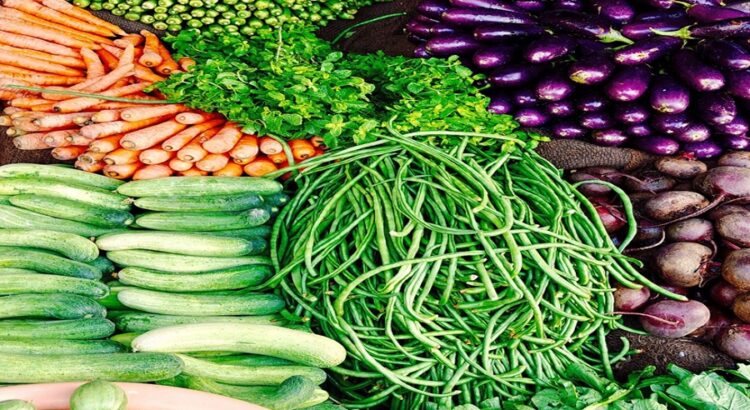
Summer brings hotter days, and a fresh meal choice is a must. Seasonal vegetables bring variety to daily dishes while providing essential nutrients. Most summer vegetables in India are readily available and easy to prepare at home.
You can also add them to salads, soups, curries and other meals. Including a mix of vegetables also adds color, flavor and texture to the plate. Read on to learn about the best summer vegetables and how each of them can be included in daily meals.
9 Best Vegetables to Consume During Summer
Consuming summer vegetables in everyday meals provides adequate nutrients. Also, adding seasonal produce to your balanced diet makes meals lighter and more refreshing. Listed below are the 9 best vegetables to consume during summer:
Brinjal
The brinjals can be cooked in several ways. This vegetable contains high fiber and other plant nutrients. Because of its soft texture, it is suitable for curries, roasted dishes, stir fries etc. Also, you can include it with other seasonal vegetables in your everyday summer meal.
Bottle Gourd
Bottle gourd consists of high water content and, that is why it is best suited for warm weather. It is a main source of fiber and can also be used in light curries, soups and cooked dishes. With its mild taste, it pairs well with various spices and ingredients.
Cucumber
Cucumber naturally has high water content and is a refreshing vegetable to consume during summer. It can be eaten raw in salad or raita, or topped on sandwiches. It is also low in vitamins and minerals. For its crisp texture, it is easy to eat on hot days.
White Onions
White onions can be used in summer dishes to enhance flavor without adding much sauce or seasoning. They are high in water, fiber and various plant compounds. They can be added to salads, cooked vegetables and curries. Onions may also be used as a side dish with meals.
Pumpkin
Pumpkin is rich in fiber and nutrition, including vitamin A. It has a mild, lightly sweet flavor, which is ideal for soups, curries and other cooked dishes. It can also be used to add color and variety to your regular diet. Adding pumpkin to other vegetables helps create a balanced diet.
Okra
Okra is a good source of fiber and contains several vitamins and minerals. It can be cooked as a dry vegetable, curry or stir-fry. Its high fiber content supports normal digestion when included as a part of a balanced diet. When compared with other vegetables. Okra also falls under vitamin B vegetables.
Spinach
Spinach is a dark leafy green vegetable, rich in folate, iron, as well as vitamins A, C and K. It can be used in curries, soups, dals and other dishes. Spinach, along with other leafy greens, is also included in a diet rich in Vitamin B vegetables.
Cowpeas (Lobia)
Cowpeas, or lobia, are a highly nutritious legume rich in fiber and plant protein. They can be cooked as a curry, salad or side dish. Their rich protein content makes meals more filling. Cowpeas can be a summer meal to supplement plant-based meals.
Green Chilli
Green chilli can be used to add flavor and spice to normal foods. It is rich in vitamin C and other plant substances. It is widely used in curries, chutneys and salads in appropriate quantities. For its strong flavor, adding a small amount enhances the dish.
How to Incorporate Summer Vegetables in a Kid’s Diet?
Adding summer vegetables into children’s diet is simple. Start with similar vegetables, then introduce new ones in small portions. Use cucumber in salads or at dinner. Use Bottle gourd and pumpkin in soups, curry/ dal.
To add flavor to parathas, sandwiches or any favorite foods, add spinach. Lobia can be cooked as a mild curry or in a salad.
Another healthy way to add vegetables to the plate is to create a visually appealing arrangement. Involve your children in small household chores, like washing vegetables or choosing between two vegetables.
Introducing vegetables that vary in taste and texture periodically gives children the opportunity to explore their flavors and textures within their normal diet.
Conclusion
During summer, it is helpful to try a wider selection of fresh produce. Simple veggie-rich meals can add color and variety to your daily diet.
Different methods of cooking also create rich flavors without complicating meal preparations. Knowing how to select fresh foods from the right sources can help with meal planning. Pairing the summer vegetables with grains, pulses, and other nutritious foods provides a balanced meal.