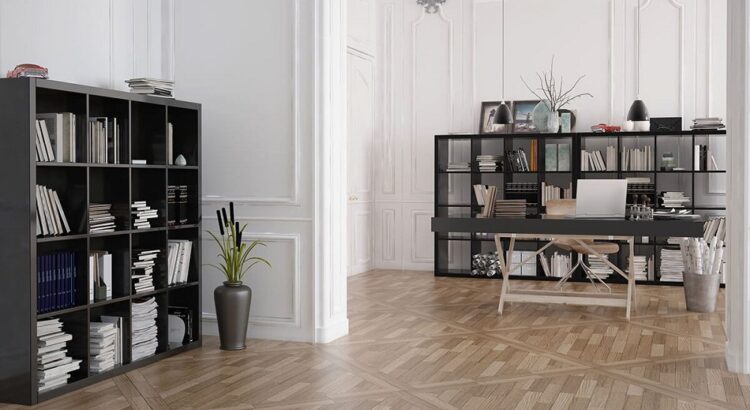
Modern living spaces frequently require a balancing act between aesthetics and practicality. As square footage becomes premium real estate, homes can quickly become overwhelmed by the clutter of daily life. Traditional storage methods, such as plastic bins stacked in closets or cardboard boxes hidden in the basement, often fail because they create an out-of-sight, out-of-mind dynamic. This slows down daily routines and causes frustration.
The most sustainable solution to household clutter is to integrate storage directly into the structural layout of the room. By intentionally selecting furniture engineered to maximize space and improve organization efficiency, a home transforms from a chaotic environment into a streamlined, high-functioning system. This approach ensures that every item has a designated home, reducing the time spent searching for everyday essentials.
The Strategy of Dual-Purpose Furniture
The foundation of an efficient organization system relies on pieces that serve multiple purposes simultaneously. Dual-purpose furniture functions normally on the outside while acting as a hidden storage reservoir on the inside. This strategy is particularly effective in high-traffic zones like living rooms, entryways, and bedrooms where clutter tends to accumulate rapidly.
Storage Ottomans and Benches
An entry bench or a living room ottoman is an excellent example of hidden functional design. In an entryway, a bench provides a comfortable place to sit while putting on shoes. Beneath the seat, it can conceal cubbies, drawers, or a deep chest to corral seasonal gear, umbrellas, and outdoor footwear. In the living room, a large central ottoman can replace a traditional coffee table. Models featuring lift-off or hinged tops easily hide throw blankets, board games, and extra pillows, keeping the main seating area clear.
Lift-Up and Drawer Beds
The bedroom contains some of the largest furniture footprints in the entire home. The space underneath a standard bed frame is routinely wasted or filled with haphazardly arranged items that accumulate dust. Investing in a hydraulic lift-up bed frame or a platform bed with built-in deep drawers utilizes this dead space efficiently. These compartments are ideal for storing out-of-season clothing, extra bed linens, and heavy winter coats, effectively acting as a second closet without occupying any additional floor space.
Maximizing Verticality and Eliminating Dead Space
When floor space is limited, the only logical direction to expand is upward. Many homes have an abundance of unused vertical space that can be captured with the right furniture choices. Extending storage toward the ceiling draws the eye upward, making the room feel larger while providing massive organizational benefits.
Modular Wall Systems and Bookcases
Standard, low-profile bookshelves often leave several feet of empty wall space below the ceiling. To maximize efficiency, choose floor-to-ceiling modular wall units. These systems can be customized to include a mixture of open shelving for books and decorative items, alongside closed cabinetry to conceal less attractive paperwork, electronics, or office supplies.
Corner Units and Over-the-Toilet Shelving
Corners are notoriously underutilized in interior layouts, frequently left empty or occupied by awkward decorative objects. Corner armoires, triangular display cabinets, and specialized corner desks turn these architectural dead zones into valuable storage hubs. Similarly, in small bathrooms, over-the-toilet étagères utilize vertical wall real estate to organize towels, toiletries, and extra paper products without crowding the limited floor area.
Streamlining the Kitchen and Dining Experience
The kitchen is often considered the heart of the home, but it is also the most challenging room to keep organized due to the sheer volume of small tools, appliances, and pantry goods. Integrating organizational furniture here can significantly reduce meal preparation stress.
Mobile Kitchen Islands and Carts
For kitchens lacking built-in counter space or cabinetry, a mobile kitchen island provides an immediate remedy. These units feature durable work surfaces on top, such as butcher block or stainless steel, with integrated spice racks, towel bars, drawers, and trash compartments below. The mobility aspect allows the user to roll the cart into the center of the room during food preparation and tuck it against a wall when more floor space is needed.
Credenzas and Sideboards with Smart Inserts
A dining room credenza or sideboard provides a sophisticated look while serving as a heavy-duty storage unit. Instead of stacking plates and glassware precariously, select sideboards that feature adjustable interior shelving and built-in felt-lined silverware drawers. This specialized storage protects delicate dinnerware and keeps entertaining supplies organized and accessible right next to the dining table.
The Role of Visual Transparency in Organization
An essential psychological component of organization efficiency is visibility. If items are completely hidden behind solid wooden doors, family members often forget what is inside, leading to duplicate purchases and underutilization. Conversely, too much visibility can look cluttered. The key is strategic transparency.
Glass-Front Cabinets and Hipped Doors
Furniture utilizing ribbed, frosted, or clear glass fronts offers a balanced middle ground. A linen cabinet with frosted glass allows you to see the general outline and color of the towels inside without displaying minor folding imperfections. In a home office or living room, a glass-front display cabinet keeps books and media dust-free while ensuring the titles remain perfectly visible at a glance.
Open Cube Organizers with Fabric Bins
Cube storage units are highly versatile and cost-effective organizational tools. The open framework allows the user to decide exactly how much transparency they want. You can leave some cubes completely open to display decorative items, while filling other cubes with matching fabric or woven baskets. The baskets can be easily pulled out like drawers, hiding smaller, loose objects like children’s toys, crafting supplies, or rogue charging cables.
Selecting Material and Durability for Long-Term Efficiency
An organized home requires furniture that can withstand frequent daily use. If a storage drawer sticks, a hinge sags, or a surface stains easily, the user will eventually stop utilizing the piece correctly, causing the organizational system to break down.
Solid Woods and High-Pressure Laminates
When purchasing storage furniture, pay close attention to construction materials. Solid hardwoods like oak, maple, and walnut offer longevity and can support heavy loads of books or kitchenware without warping over time. For high-traffic areas or children’s rooms, high-pressure laminates and engineered woods with durable veneers resist scratches and moisture, ensuring that the furniture remains functional and easy to clean for years.
Hardware Quality
The efficiency of a drawer or cabinet door depends entirely on its hardware. Look for furniture that features full-extension ball-bearing drawer slides, which allow the drawer to open completely so you can easily reach items stored at the very back. Soft-close hinges prevent slamming and reduce wear and tear on the structural frame of the cabinet, preserving the integrity of your organizational investment.
Frequently Asked Questions
How do I choose organization furniture if I live in a temporary rental apartment?
Focus on purchasing modular, freestanding pieces rather than custom built-ins. Items like modular cube shelving, rolling storage carts, and freestanding wardrobe armoires can be easily disassembled or transported to your next home. Avoid heavy, single-purpose pieces and instead opt for lightweight, versatile items that can easily transition from a living room storage unit in one apartment to a bedroom organizer in the next.
Will adding more storage furniture make my house look small and crowded?
If you select the wrong type of furniture, yes. To avoid a crowded appearance, balance heavy, solid pieces with leggy, elevated furniture that allows light to pass underneath. Additionally, utilize light wood tones, whites, or mirrored finishes for large storage cabinets so they blend into the walls rather than dominating the visual field of the room.
How can I keep the interiors of deep drawers and deep cabinets from becoming messy?
Deep drawers are excellent for storage volume but terrible for organization if left undivided. Always pair deep drawer furniture with secondary internal organizers, such as expandable acrylic dividers, shallow bamboo trays, or small canvas bins. This categorizes the interior space, preventing small items from rolling around and creating an chaotic pile inside the drawer.
What is the most efficient furniture solution for a home without a dedicated mudroom?
An entry hall tree is the best substitute for a formal mudroom. A hall tree combines a coat rack, a storage bench, and an overhead shelf into a single, vertical piece of furniture with a small footprint. This configuration provides a dedicated drop zone for coats, keys, bags, and shoes right at the front door, stopping outdoor clutter before it ever enters the main living areas.
How do I organize a home office desk to maximize daily workflow efficiency?
Choose a desk that features built-in cord management channels or grommet holes to hide unsightly computer cables. The desk should have at least one deep file drawer to eliminate the need for a separate filing cabinet, alongside shallow drawers for writing utensils and note pads. Keeping the desktop surface completely clear of everything except your computer and keyboard reduces mental distraction and improves daily focus.
Should I choose furniture with open shelving or closed cabinetry for a living room?
A healthy mix of both is ideal for long-term organization success. Aim for a ratio of 70 percent closed storage and 30 percent open storage. Closed cabinetry allows you to hide the visually messy, utilitarian items like router boxes, video game consoles, and extra cables. The open shelving can then be used exclusively for displaying curated books, plants, and art, keeping the room looking tidy, intentional, and inviting.