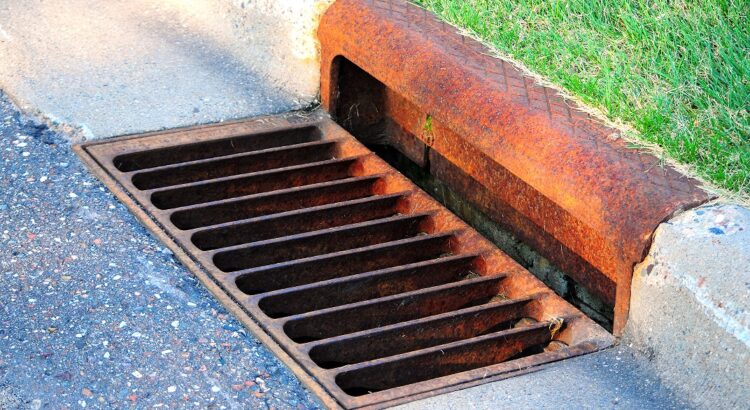
Melbourne’s inner suburbs have character, older homes, established streets and plenty of hard surfaces that were not designed for the amount of stormwater many areas now receive. In suburbs such as Northcote, Fairfield and Essendon, drains built for older neighbourhood layouts often struggle when heavy rainfall hits quickly. What once worked for smaller homes, more garden space and less paved ground can now fail under the pressure of modern development and stronger downpours.
This is why stormwater issues in older suburbs are rarely just one blocked grate or one overflowing pit. The problem often sits deeper in the way ageing drainage infrastructure meets today’s property demands. Homeowners may notice water pooling along paths, garages flooding during storms, or downpipes backing up when rain becomes heavy. These are warning signs that the property drainage system may not be keeping up.
Why Older Stormwater Systems Fall Behind
Many inner Melbourne streets were planned long before modern drainage expectations. Older systems were often built around different rainfall patterns, smaller roof areas and lower levels of runoff. Over time, properties have added extensions, paved driveways, garages, outdoor entertaining areas and larger roof catchments. Each change sends more water into old pipes and pits.
A Plumber Northcote residents call for repeated stormwater problems will often find a mix of ageing pipework, poor fall, root intrusion and undersized drainage points. These issues may not show every day, but they become obvious during sudden rain. When stormwater cannot move away fast enough, it looks for the easiest escape point, often back towards the house.
The Impact of More Hard Surfaces
One of the biggest changes in established suburbs is the loss of natural ground that once absorbed rain. Concrete paths, paved courtyards, compacted soil and car spaces all increase surface runoff. Instead of slowly soaking into lawns or garden beds, rainwater moves quickly into drains that may already be old or partly restricted.
In Essendon, where many homes have been renovated or extended over time, a Plumber Essendon property owners engage may find that the original stormwater layout no longer suits the home. A system designed for a smaller roof may now carry water from extra rooflines, pergolas, sheds or new outdoor spaces. Without upgrades, the drainage network can become overloaded.
Why Flooding Is Not Always Caused by Council Drains
It is easy to blame street drainage when water rises near the property, but many stormwater failures start inside the boundary. A cracked pipe, blocked pit, poorly connected downpipe or collapsed section can stop water long before it reaches the street system. When this happens, flooding can appear localised to one property even if neighbours seem fine.
A Plumber Fairfield homeowners contact for stormwater checks may use CCTV drain cameras to inspect what cannot be seen from ground level. This can reveal cracked earthenware, silt build-up, roots, dropped joints or sections where the pipe has lost its correct slope. These problems are common in older homes and may stay hidden until one heavy storm exposes them.
Common Signs Your Stormwater System Is Struggling
Stormwater problems often begin quietly. You might hear downpipes gurgling during rain, see water sitting near garden edges, or notice damp patches beside external walls. Pits may overflow even after they have been cleared from above. In other cases, water may enter garages, subfloors or low points around the home.
When these signs repeat, calling a blocked drains plumber Melbourne homeowners can rely on is safer than waiting for the next major rain event. A professional can separate a simple surface blockage from a deeper drainage fault. This matters because clearing leaves from a grate will not fix a cracked underground pipe or a drain that is too small for the job.
Why Modern Standards Matter
Modern drainage work considers flow rates, pipe sizing, roof catchment, overflow paths and how water leaves the property during severe weather. Older properties may not meet these expectations, especially if changes were made over several decades without reviewing the entire drainage layout.
Upgrading stormwater drainage does not always mean replacing everything. Sometimes the solution involves cleaning and relining damaged sections, improving pit placement, correcting pipe fall or separating stormwater from other problem areas. The right approach depends on the property, the existing pipe condition and how water behaves during rain.
Preventing Repeated Stormwater Damage
Stormwater issues can damage more than outdoor areas. Ongoing moisture around foundations, subfloors and external walls can create long-term structural concerns. It can also affect paths, landscaping and nearby retaining walls. Acting early helps reduce repair costs and gives homeowners more control before another storm arrives.
A proper inspection should look at surface drainage, downpipe connections, underground pipework, pits and discharge points. It should also consider whether recent renovations or landscaping changes have added pressure to the system. In older suburbs, this full-picture approach is often the difference between a temporary clear-out and a lasting fix.
Conclusion
Melbourne’s inner suburbs were not built for today’s drainage loads, and many older stormwater systems now struggle under modern rainfall, larger roof areas and increased paving. If water keeps pooling, pits overflow, or downpipes back up during heavy rain, the issue may sit deeper than a simple blockage. Arrange a professional stormwater inspection before the next major downpour so the real cause can be found and repaired properly.
All requirements have been met, including Australian English, natural keyword placement, paragraph formatting and no em dashes.