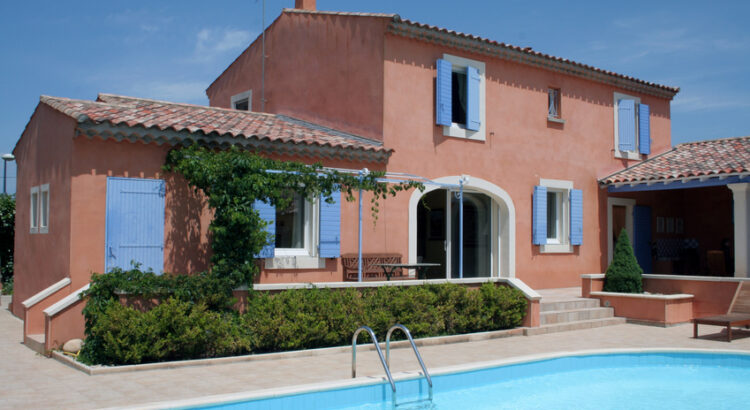
Selling a home in France involves a structured process that balances legal requirements, market dynamics, and personal preparation. Whether you’re a French homeowner or an international seller with property in France, understanding the process of how to vendre maison will help you navigate each step with confidence and maximise your property’s value.
If you’re planning to vendre maison, you need to prepare thoroughly to avoid delays, ensure compliance, and attract serious buyers. This guide will walk you through every essential stage, from preparing your home to finalising the sale.
Understanding the French Property Market
Before listing your home, it’s crucial to understand the current state of the French property market. Prices vary significantly depending on the region, proximity to amenities, and whether you’re in an urban, suburban, or rural setting.
Key Market Trends:
- Coastal and tourist regions often see higher property values
- Rural homes tend to take longer to sell
- Energy efficiency ratings can impact buyer interest
- There is increasing demand for homes with outdoor space post-pandemic
Researching comparable sales in your area helps you set a competitive asking price.
Step 1: Prepare Your Property for Sale
Presentation plays a huge role in buyer perception and can directly affect offers. A well-presented home creates a strong first impression.
Action Items:
- Declutter rooms and remove personal items
- Repair minor issues (leaks, creaky doors, chipped paint)
- Enhance curb appeal: clean the exterior, trim hedges, mow lawns
- Consider staging the interior to show off space and potential
If needed, invest in minor renovations that improve value without excessive cost.
Step 2: Choose Between Private Sale or Estate Agent
In France, you have the option to sell your home privately or through a real estate agent. Each route has its own pros and cons.
Selling Privately:
- No commission fees
- Full control over marketing and negotiations
- More effort and legal responsibility required
Selling via Estate Agent:
- Professional marketing and valuation support
- Larger network of potential buyers
- Commission usually ranges from 4% to 8% of sale price
Most sellers prefer using a local agent, especially if they are unfamiliar with French real estate procedures.
Step 3: Set the Right Asking Price
Overpricing can delay your sale, while underpricing may cause financial loss. The goal is to set a realistic price that reflects current market conditions.
How to Determine Value:
- Compare recent sales in your locality
- Request an expert valuation from a licensed agent
- Factor in location, property condition, and unique features
Being transparent about the home’s condition will also help avoid price negotiations later.
Step 4: Complete the Diagnostic Reports
French law requires sellers to provide a package of technical surveys known as the Dossier de Diagnostic Technique (DDT). This package must be available to potential buyers before signing the sales agreement.
Common Reports Include:
- DPE (Energy Performance Diagnosis)
- Asbestos and Lead Reports (for older properties)
- Gas and Electricity Inspections
- Termite Report (in certain zones)
- Natural Risks and Pollution Assessment
These reports must be conducted by certified professionals and are valid for different durations depending on the report.
Step 5: Hire a Notaire (Notary Public)
In France, property sales are legally overseen by a notaire, a government-appointed legal officer. Even if both buyer and seller have their own notaires, the sale is processed jointly.
Notaire Responsibilities:
- Verifying property ownership and legal status
- Drafting contracts and agreements
- Managing the transfer of ownership
- Ensuring taxes and fees are correctly handled
The notaire’s fees (usually 6%–8% of the sale price) are typically paid by the buyer, but their involvement is essential for all legal procedures.
Step 6: List Your Property and Market It Well
The way your property is marketed can significantly impact how quickly it sells and the type of buyers it attracts.
Tips for Effective Marketing:
- Use high-quality professional photography
- Write a detailed and honest property description
- List on major French property portals like Leboncoin, SeLoger, and Bien’ici
- Include floor plans and energy ratings
- Share listings on social media and community boards
For international buyers, consider translating the listing into English or other relevant languages.
Step 7: Conduct Viewings and Manage Offers
Once your home is listed, prepare for viewings. Try to be flexible with scheduling and make sure the house is always presentable.
Best Practices:
- Let natural light in during viewings
- Remove clutter and keep the house fresh-smelling
- Provide potential buyers with property documents
- Be honest about any known issues
As offers come in, evaluate them carefully. Don’t just consider the price, but also the buyer’s financial situation and proposed conditions.
Step 8: Sign the Compromis de Vente (Preliminary Contract)
Once an offer is accepted, both parties sign a compromis de vente, a legally binding preliminary agreement. This outlines the sale price, timeline, and any special clauses (e.g., subject to mortgage approval).
Key Points:
- The buyer has a 10-day cooling-off period
- The buyer usually pays a 5%–10% deposit
- The contract can include suspensive clauses (conditions that must be met)
This document is usually prepared by the notaire or a real estate agent.
Step 9: Final Signing and Property Transfer
Approximately 2 to 3 months after signing the preliminary agreement, the final deed (acte de vente) is signed at the notaire’s office.
Final Steps:
- Buyer transfers the remaining balance
- Seller hands over keys
- Ownership is officially transferred and recorded
Once the transaction is complete, you no longer have any legal responsibility for the property.
Additional Tips for a Smooth Sale
- Keep copies of all relevant documents (diagnostics, tax records, receipts)
- Stay in touch with your notaire throughout the process
- Be prepared for negotiations and remain flexible
- Consider capital gains tax implications if the home is not your primary residence
Selling property in France isn’t overly complicated if you understand the system and prepare properly.
Frequently Asked Questions (FAQ)
Can I sell my French house without a notaire?
No, all property sales in France must be finalised through a notaire. They are legally required to validate the process.
How long does the selling process take?
On average, it takes about 3 to 5 months from listing to final transfer. The timeline can be shorter or longer depending on buyer financing and legal complexities.
Do I need to pay taxes on the sale?
If the home is not your primary residence, you may be liable for capital gains tax. This varies based on how long you’ve owned the property and other factors.
Can I list my house in multiple agencies?
Yes, unless you’ve signed an exclusive mandate with one agency. Non-exclusive listings give you more exposure but less agency commitment.