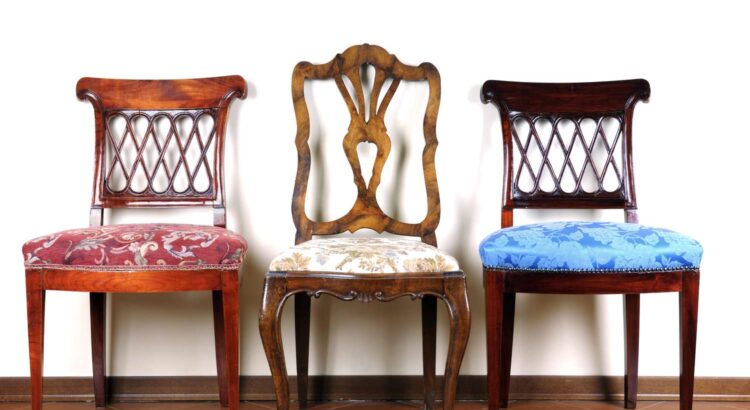
Furniture, in its most elemental form, is defined as any movable object intended to support human activity. Whether it is seating, sleeping, eating, or even storage, furniture has existed in various iterations throughout history, adapting to the changing needs and aesthetics of its time. However, it is more than just functional objects—furniture is a reflection of culture, art, and design trends, and it provides an intimate glimpse into the values, technology, and craftsmanship of the era in which it was created.
The Ancient Roots of Furniture
The history of furniture can be traced back thousands of years, with the earliest forms emerging in ancient civilizations. The ancient Egyptians, for example, are credited with some of the first instances of furniture designed specifically for comfort and utility. Their furniture, such as chairs and stools, was often crafted from wood and adorned with inlays of ivory, gold, and precious stones. While these pieces were primarily functional, they were also symbols of status and wealth, as seen in the tombs of pharaohs, where elaborate furniture was often buried alongside the deceased.
Similarly, the ancient Greeks and Romans developed a wide range of furniture, from luxurious marble tables to portable folding stools. The Greeks emphasized proportion and balance in their designs, reflecting the values of order and symmetry that were central to their philosophy and art. Roman furniture, on the other hand, was often more luxurious and ornate, incorporating rich materials like bronze, ivory, and exotic woods. The Romans were also pioneers in the development of reclining chairs and beds, introducing a level of comfort that would influence furniture design for centuries.
The Middle Ages and Renaissance: Function Meets Elegance
During the Middle Ages, furniture became more utilitarian. The design of the period was largely dictated by the demands of daily life. Chairs were simple, often made of heavy wood, and tables were rudimentary, serving practical purposes like eating and work. The design was influenced by the needs of monastic communities, where simplicity and function were paramount. However, with the advent of the Renaissance in the 14th century, there was a revival of classical design principles. Artists and craftsmen sought to combine functionality with elegance and beauty, and furniture design became an important avenue for displaying one’s wealth and taste.
Renaissance furniture was characterized by intricate carvings, luxurious materials, and bold geometric shapes. The craftsmanship was highly detailed, with artists incorporating mythological and religious motifs into their designs. This period also saw the introduction of upholstered chairs and sofas, which brought a new level of comfort to the furniture landscape. The increased availability of textiles and the growing interest in luxury goods contributed to the rise of ornate furniture, which was often displayed as a symbol of status.
The Evolution of Furniture During the Industrial Revolution
The Industrial Revolution, which began in the late 18th century, marked a dramatic shift in furniture production. Prior to this period, furniture had been handcrafted by skilled artisans, often on a commission basis. However, the invention of machinery that could mass-produce furniture led to a democratization of design. Suddenly, furniture became more affordable, and it became accessible to a broader range of people.
During this time, the design of furniture became more standardized, and new materials such as cast iron and steel were introduced. This period also saw the development of furniture that was more modular and adaptable, reflecting the changing nature of domestic life as people moved into more urbanized and smaller living spaces. The Victorian era, for example, embraced an eclectic mix of styles, combining elements of Gothic, Rococo, and Baroque with newer, more industrial designs. The ornate and heavy furniture of this era was in contrast to the clean, simple lines that would emerge in the 20th century.
The Modernist Revolution: A New Approach to Design
In the early 20th century, furniture design underwent a dramatic transformation with the rise of modernism. Influenced by the Bauhaus movement and other avant-garde design philosophies, modernist furniture was characterized by clean lines, minimal ornamentation, and the use of new materials such as molded plywood, steel, and plastic. Designers like Charles and Ray Eames, Ludwig Mies van der Rohe, and Le Corbusier revolutionized furniture design by emphasizing function over form, eliminating unnecessary decorative elements, and focusing on ergonomic design.
This period also saw the emergence of modular furniture, which allowed for greater flexibility and personalization in interior design. The focus shifted toward creating furniture that could adapt to changing needs, rather than being static or formal. Modernist furniture often featured angular shapes and innovative use of materials, challenging traditional notions of comfort and beauty. The sleek lines and functional designs of mid-century modern furniture have endured, continuing to influence furniture design to this day.
Furniture in the 21st Century: Sustainability and Technology
As we move further into the 21st century, the furniture industry has faced new challenges and opportunities. One of the most significant trends in contemporary furniture design is sustainability. With growing concerns about environmental impact and resource depletion, designers are increasingly focused on creating furniture that is not only aesthetically pleasing but also eco-friendly. Recycled materials, renewable resources, and energy-efficient production methods have become key considerations in the design process.
Furthermore, the integration of technology into furniture design has opened up new possibilities. Smart furniture, which incorporates technology such as charging stations, built-in speakers, or even robotic components, has become increasingly popular. This fusion of design and technology is reshaping the way we interact with our furniture, making it an integral part of the digital age.
The rise of customization has also allowed individuals to have a more personalized relationship with their furniture. With advances in digital fabrication and 3D printing, consumers can now design and create custom furniture pieces tailored to their specific needs and preferences. This shift represents a move toward more individualized and flexible designs, reflecting the diverse lifestyles and tastes of contemporary society.
The Future of Furniture
As technology continues to evolve, and as global issues like sustainability and urbanization influence design trends, the future of furniture will likely be shaped by innovation and adaptability. We may see the development of furniture that is more responsive to human needs, incorporating elements such as adjustable ergonomics, modularity, and integration with other smart devices. The idea of “furniture as a service” may also take hold, where consumers lease or rent high-quality, customizable pieces that can be easily updated or exchanged as their needs change.
In the end, furniture is not just about function; it is about creating spaces that reflect who we are and how we live. Whether it’s a minimalist chair, an antique armoire, or a high-tech, modular sofa, furniture plays an essential role in shaping our environments and, by extension, our lives. As we look to the future, one thing remains certain: the art of furniture design will continue to evolve, but its central purpose—to enhance human experience—will always remain unchanged.