A Fusion of Tradition and Contemporary Culture
Singapore’s fast-paced, tech-driven society might seem worlds apart from the tranquil, introspective roots of yoga. Yet, this vibrant city-state has emerged as a regional hub where ancient yogic philosophy and modern wellness seamlessly intersect. Whether it’s in the heart of the CBD or along a lush East Coast park trail, yoga Singapore has grown into a thriving lifestyle choice for individuals from all walks of life.
If you’re seeking to explore reputable yoga centres in the country, yoga Singapore offers a wide range of options—from traditional Hatha sessions to immersive sound bath yoga, all customised for different skill levels and goals.
But what has really shaped the identity of yoga in Singapore over the years? Let’s dive deep into the evolution of this practice and its modern-day manifestation in the Lion City.
A Brief History of Yoga’s Arrival in Singapore
Yoga first arrived in Singapore through Indian immigrants and cultural exchange during the British colonial era. Initially practised in temples or community halls, it was largely spiritual and meditative. Over time, especially in the 1990s and early 2000s, global yoga trends began influencing Singapore’s wellness scene. As the popularity of yoga rose in the West, fitness chains and boutique studios in Singapore started offering more accessible classes.
From humble beginnings, yoga has now become:
- A regular fitness routine for many working professionals
- A therapeutic tool endorsed by physiotherapists and psychologists
- A lifestyle adopted by conscious communities and wellness seekers
The shift was not only social but also institutional, with schools and hospitals gradually recognising yoga’s physical and mental benefits.
Today’s Yoga Landscape in Singapore
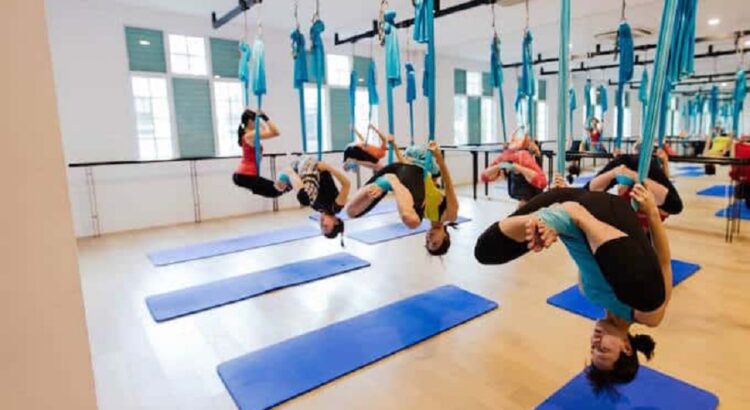
Modern yoga in Singapore is as diverse as the city itself. With multiculturalism at its core, studios across the island offer everything from Ashtanga and Iyengar to aerial yoga and yin classes.
Key features of the current yoga scene include:
- Boutique Studios: Small, personalised spaces focused on community and individual attention. Think classes of under 10 people with curated playlists and essential oils.
- Corporate Wellness Programs: Companies now invest in yoga for employees as part of stress management and productivity-enhancing strategies.
- Digital Integration: Apps and virtual platforms offering live-streamed or on-demand classes have made yoga even more accessible, especially during pandemic-related lockdowns.
- Diverse Teachers: Many certified instructors in Singapore come from varied cultural backgrounds, creating a rich and inclusive teaching style that respects both authenticity and innovation.
Popular Yoga Styles Practised in Singapore
Each individual gravitates towards a yoga style that suits their physical condition, emotional needs, or spiritual intent. The availability of multiple yoga styles in Singapore ensures that there’s something for everyone.
Here’s a breakdown of some widely-practised styles:
- Hatha Yoga: Ideal for beginners, this gentle form emphasises basic postures and breathing techniques.
- Vinyasa Flow: A more dynamic practice where movement is synchronised with breath, offering cardiovascular benefits.
- Bikram or Hot Yoga: Conducted in heated rooms to simulate the Indian climate, known for detoxifying the body and increasing flexibility.
- Yin Yoga: A slow-paced style with poses held longer, focusing on deep connective tissue and improving flexibility.
- Prenatal Yoga: Specially tailored for pregnant women to ease tension, strengthen pelvic muscles, and prepare for childbirth.
The Role of Yoga in Singapore’s Health and Wellness Industry
Yoga is now firmly rooted in Singapore’s booming health and wellness economy. Besides standalone studios, you’ll find yoga being incorporated into physiotherapy centres, wellness retreats, and even schools.
Key contributions of yoga to the local wellness scene:
- Mental Health Support: Therapists often recommend yoga to manage anxiety, depression, and PTSD.
- Posture Correction: Office-bound workers often seek yoga to combat the physical toll of sedentary lifestyles.
- Weight Management: Yoga complements dietary and fitness plans as a sustainable way to stay in shape.
- Community Building: Events and group classes help individuals combat loneliness and foster meaningful connections.
Notable Studios and Communities
Singapore is home to a wide range of yoga studios that cater to varying preferences, schedules, and budgets. One such leading destination is Yoga Edition, a premium studio offering a holistic range of classes and wellness experiences that go beyond the mat.
Other popular yoga communities and studios include:
- The Yoga Mandala – Known for teacher training and workshops
- Freedom Yoga – Modern studio with excellent Vinyasa and restorative classes
- Jal Yoga – Offers both infrared hot yoga and traditional forms
- Tirisula Yoga – One of the oldest schools in Singapore with a focus on classical techniques
Many of these studios also host community events, full moon gatherings, and workshops that bring like-minded individuals together.
Outdoor Yoga: Singapore’s Nature Meets Mindfulness
Thanks to its tropical climate and stunning parks, Singapore offers a unique opportunity to blend yoga with nature. Outdoor yoga classes are commonly held at:
- East Coast Park
- Fort Canning Green
- Marina Barrage
- Singapore Botanic Gardens
These open-air sessions often incorporate mindfulness and breathing techniques aligned with the natural environment. Practising yoga surrounded by greenery and fresh air enhances the meditative experience and contributes to a deeper connection with nature.
Yoga for Every Life Stage
Another remarkable aspect of yoga’s evolution in Singapore is its adaptation for different age groups and life stages.
For Children:
- Builds focus, discipline, and emotional regulation
- Often blended with storytelling and games
For Seniors:
- Gentle movements to maintain mobility and joint health
- Encourages social interaction and mental stimulation
For Pregnant Women:
- Prepares the body for labour
- Reduces common pregnancy discomforts like back pain and insomnia
For Athletes:
- Improves flexibility and reduces the risk of injury
- Accelerates recovery and strengthens mental focus
Cultural Integration and Holistic Wellness
The beauty of yoga in Singapore lies in its deep respect for multiculturalism. Hindu chants, Buddhist mindfulness, Taoist energy flow, and modern mindfulness coaching all find a harmonious place on the mat.
Many studios offer:
- Meditation sessions
- Sound healing therapies
- Ayurvedic diet workshops
- Reiki or energy work
This fusion reflects Singapore’s spirit: progressive, inclusive, and always open to holistic advancement.
What’s Next for Yoga in Singapore?
As Singapore continues to lead in wellness innovation in Asia, the future of yoga looks even brighter. Trends like virtual reality yoga, AI-based posture correction apps, and yoga-centric retreats in Sentosa or Bali will likely be integrated into the broader ecosystem.
More importantly, the deeper, philosophical aspects of yoga—like self-awareness, gratitude, and non-attachment—are beginning to take root in the urban soul. Yoga is no longer just an hour-long session; it’s becoming a way of living well in a demanding world.