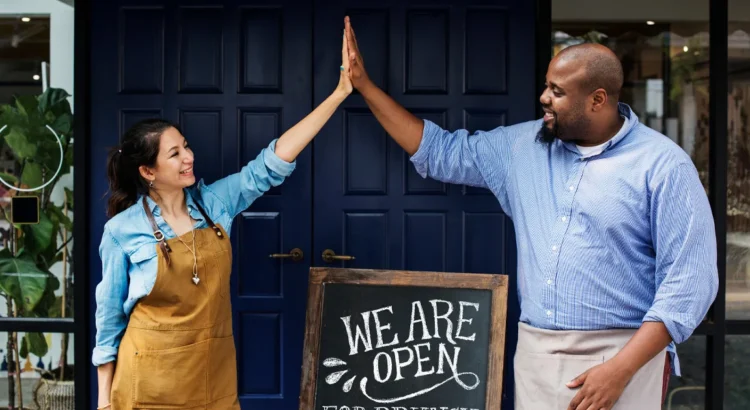
You get one grand opening. A bar can promote its Tuesday trivia night fifty times, but a restaurant launch happens once. The impression you make on opening weekend tends to stick, whether that’s a line out the door or a quiet room you spend months climbing back from.
Most new owners underestimate the lead time this takes. Restaurant consultants have long noted that the strongest opening weeks start marketing three to four weeks out, not three or four days. Here are seven ways to build genuine anticipation before you cut the ribbon.
Why Does a New Restaurant’s Opening Week Matter So Much?
You’re not just filling seats once, you’re auditioning for repeat business. A grand opening stacks two events together: a first-time customer push, and a trial run for the reviews that shape the place’s reputation afterward. Get it right and you’re building the base of regulars that makes people trust an unfamiliar name.
1. Build a Dedicated Event Landing Page
Give people one place to go. A landing page beats a scattered caption because it holds your hours, menu preview, and an RSVP button in one spot, and every ad or flyer can point at the same link. I’ve used PosterMyWall’s event marketing tool for a couple of client openings, and it handled RSVP tracking and reminders without a developer. That matters; a page with no sign-up gives you no list to email as the date closes in.
2. Tease It on Social Media, in Stages
Don’t dump everything into one post. Countdown content mirrors how people decide to try somewhere new: curiosity first, then a reason, then a nudge. Post a kitchen-prep photo two weeks out, reveal a signature dish a week later, then post logistics in the final 48 hours. This kind of serialized rollout consistently pulls more reach than a single announcement.
3. Design Flyers and Posters for the Neighborhood
Digital gets the attention, but a flyer on a coffee shop bulletin board still pulls in the people who matter most on day one: those close enough to walk in. If design isn’t your strength, there’s a solid library of restaurant templates worth adapting rather than starting from a blank page. Drop a few at nearby offices and gyms that aren’t direct competitors.
4. Put Some Budget Behind Local Paid Ads
Organic reach only travels so far in a crowded feed. A modest geo-targeted campaign on Facebook, Instagram, or local Google search, run two weeks before opening, tends to beat boosting a single post. Nielsen’s research on local advertising has found hyper-local targeting drives higher intent-to-visit than broad targeting, which matches what most owners see: a five-mile radius ad usually outperforms a citywide one for a brand-new location.
5. Offer an Opening-Night Incentive
Give people a concrete reason to show up that specific night. Half-price appetizers for the first hour, a free drink with an entree, or a raffle for a gift card all turn curiosity into a booked table. The incentive doesn’t need to be expensive, just tied to that one night.
6. Ask Directly for RSVPs and Shares
People share your opening when the ask is easy and specific. “Tag a friend you’d bring here” beats a generic “spread the word” because it hands followers a script instead of leaving them to improvise one. Pin the RSVP link and repeat the ask, since most people won’t act the first time they see it.
7. Run a Soft Opening and Invite Local Press First
This tactic is genuinely specific to launching something brand new. A soft opening, a quiet dry run a few days before the public date, lets your staff work out timing kinks on a smaller crowd. Use that window to invite a local food blogger or a neighborhood reporter for a preview meal. Press coverage timed near your ribbon-cutting often generates more foot traffic than a paid ad, and it hands you a write-up once the doors open.
Frequently Asked Questions (FAQs)
1. How far in advance should I start promoting a grand opening?
Three to four weeks is a reasonable minimum. Any shorter, and your teasers and press outreach won’t have time to build momentum.
2. Is a soft opening necessary, or can I go straight to the grand opening?
Not strictly, but most operators find it worth the extra step. It catches service hiccups while the stakes are lower, so the actual grand opening runs smoother and shows the restaurant at its best.
3. What’s the easiest way to build a landing page without hiring a developer?
A platform like PosterMyWall lets you put together an event page with RSVP tracking in an afternoon, which covers most of what a restaurant launch page needs without a custom build.
Getting the First Night Right
A grand opening isn’t really about one night. It’s about the reviews and regulars that night sets in motion. Build anticipation in layers, give people a real reason to show up on the date, and lean on the restaurant templates already out there instead of designing a flyer from scratch. Do that, and opening night stops feeling like a gamble.